Unpacking why & how to figure out what we do next.
Taking a closer look at why humans need to congregate, how our early efforts with email lists, bulletin boards, and forums met those needs, and what that could mean for how we do things in the future.
PS: WIP – This is an attempt at creating a blog post in Discourse. Let’s see how this goes.
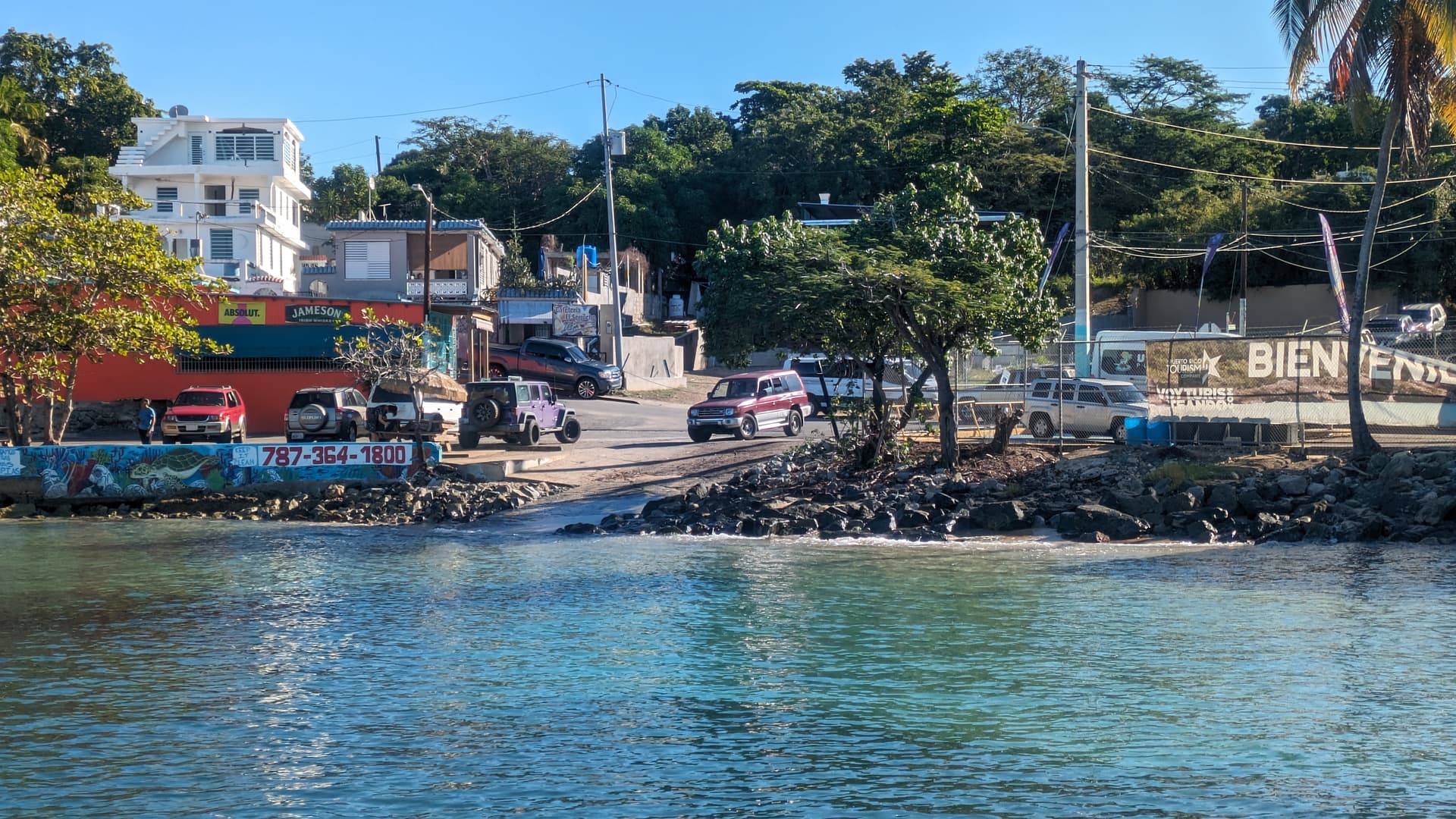
^ Monteros at the port of Vieques, PR – Brian Driggs
I’m trying to reconcile an idea with reality. Having a hard time getting it into words.
When you live in a big city, you have more options than people who live in small towns and can be more selective about what you do and with whom you do it. More people means more diversity, which means more chances to match up with others on increasingly specific interests. What does that mean?
If you’re a gearhead in Los Angeles, you could probably organize most of your life around Japanese Nostalgic Cars and never so much as even think about anything else. If you’re a gearhead in Iowa City, you have love the car scene at a much more generic level. You may have the only Japanese Nostalgic Car for 300 miles.
Think about this effect through the lens of the Internet. The effectively infinite number of users means effectively infinite options. Big Tech has done a lot to burn that premise into our lizard brains. To the point we expect it.
Are the two mutually exclusive? How do we reconcile our programming to accept nothing less than instant gratification, comprehensively tailored to our browsing behaviors against our desire to slow down and build deeper relationships with smaller groups?
How do we build a community that isn’t trying to be all things to all people without painting ourselves into a corner vis-a-vis some arbitrary topical focus? What’s the/a thread we can pull through our collective interests and make this a place worth visiting for people who aren’t gearhead or otherwise building something?
Online Community: An Oversimplified Timeline
In the beginning, we had email and list servers. You’d join a list start getting updates delivered right to your inbox. You could reply to anyone or anything, and if you wanted to contribute, doing so was as easy as sending an email to a special address to get it added to the digest email sent to all members.
- All activity takes place via email.
- All messages are delivered directly to your inbox.
As these lists grew and the volume of email started getting overwhelming, bulletin boards started showing up, allowing people to post their messages in a third space between inboxes. Instead of having everything delivered to your inbox, you could selectively choose to only receive emails related to specific topics (typically conversations/threads), while also retaining the ability to skim the rest if you wanted.
- All activity takes place on a third party domain running bulletin board software. ,
- Selected messages are delivered directly to your email inbox.
We started using the word Forums to describe these online spaces. Forum from the ancient Greek word for places where everyone comes together for community, commerce, and such. Forums were home to hundreds or thousands of people with shared interests. We had enough people interested in things that there were often multiple forums available for any topic you could imagine.
- All activity takes place on third party domain running forum software.
- Selected messages are delivered directly to your email inbox.
- You might be able to participate via email, exclusively.
At one point, I was registered on at least a dozen DSM forums. Almost all of them had the same topical focus and structure, to the point that, near the peak, you’d often find the same question posted across multiple forums, answered by many of the same people saying the same things. They all had their own personalities, though, and that’s what made them worth visiting.
Facebook ultimately became the biggest forum on the web. At first, the biggest draw was the connections to people across interests. There was a sense that this was where you could extend the sense of community found in forums to your other interests. Your car friends could get to know your golf buddies and your extended family could see more of the things you were proud enough to share with the world.
- All activity takes place on Facebook and they own all your data and can force ads on you.
- Selected messages are delivered directly to your inbox–but only to get you back to the ads.
- There is no real searchability, no meaningful research capabilities outside of advertising.
You can’t be all things to everybody.
- Email lists, bulletin boards, and forums were all about likeminded people curating and sharing information with each other. The draw was the specialization of topic and community members.
- Facebook and Big Social are all about bringing everyone & everything imaginable together where those interests can be monetized. The draw is “all people” implies “all things”.
Basically, it’s like Facebook brought a billion people together and, instead of letting those people self-organize into various communities, encouraged the creation of a billion private forums, each catering exclusively to a single individual. And since advertisers are the only ones paying for any of this, that’s why the Facebook “news” feed is a firehose of almost exclusively worthless promotional bullshit.
Ye olde bulletin board, on the other hand, struggles with the opposite end of the equation. All our little communities out here in the margins are relatively niche. Like it or not, Big Social has conditioned us to expect infinite personalization. It doesn’t matter how much you love whatever it is the forum is about. We’re all complex individuals with diverse interests these days. No one thing defines us. (At least, not as much as it used to.)
Liminal Space – Find The Others
We should stop trying to go back to the way we did things before Big Social. Instead, we should focus on building better spaces in between that delight our friends and make them want to come back for more.
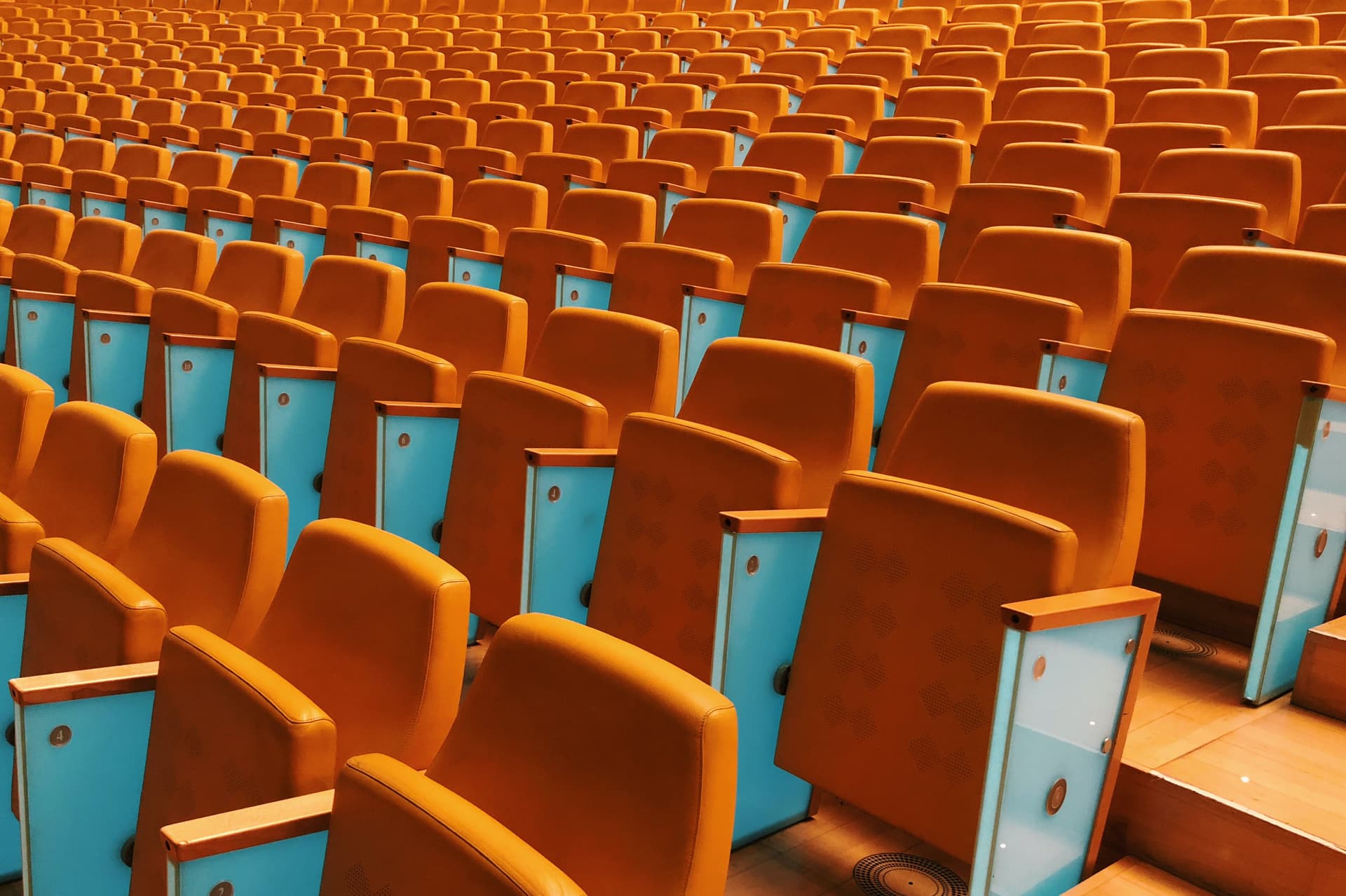
^ img: Nacho Capello, Unsplash
According to Wikipedia, liminal space describes places or states of change or transition. Liminal space imagery often depicts this sense of “in-between”, capturing transitional places (such as stairwells, roads, corridors, or hotels) unsettlingly devoid of people. The aesthetic may convey moods of eeriness, surrealness, nostalgia, or sadness, and elicit responses of both comfort and unease.
Next web about creating invite only spaces between the clouds. Interstellar lounges where messages are exchanged.